
Norwich and Norfolk
Block paving in Norwich and across Norfolk
Block Paving Norwich lays new block paved driveways and patios, permeable paving and repairs to existing block paving for homes in Norwich and across Norfolk. Tell us about your space and we'll come back to you to talk it through and price the job.
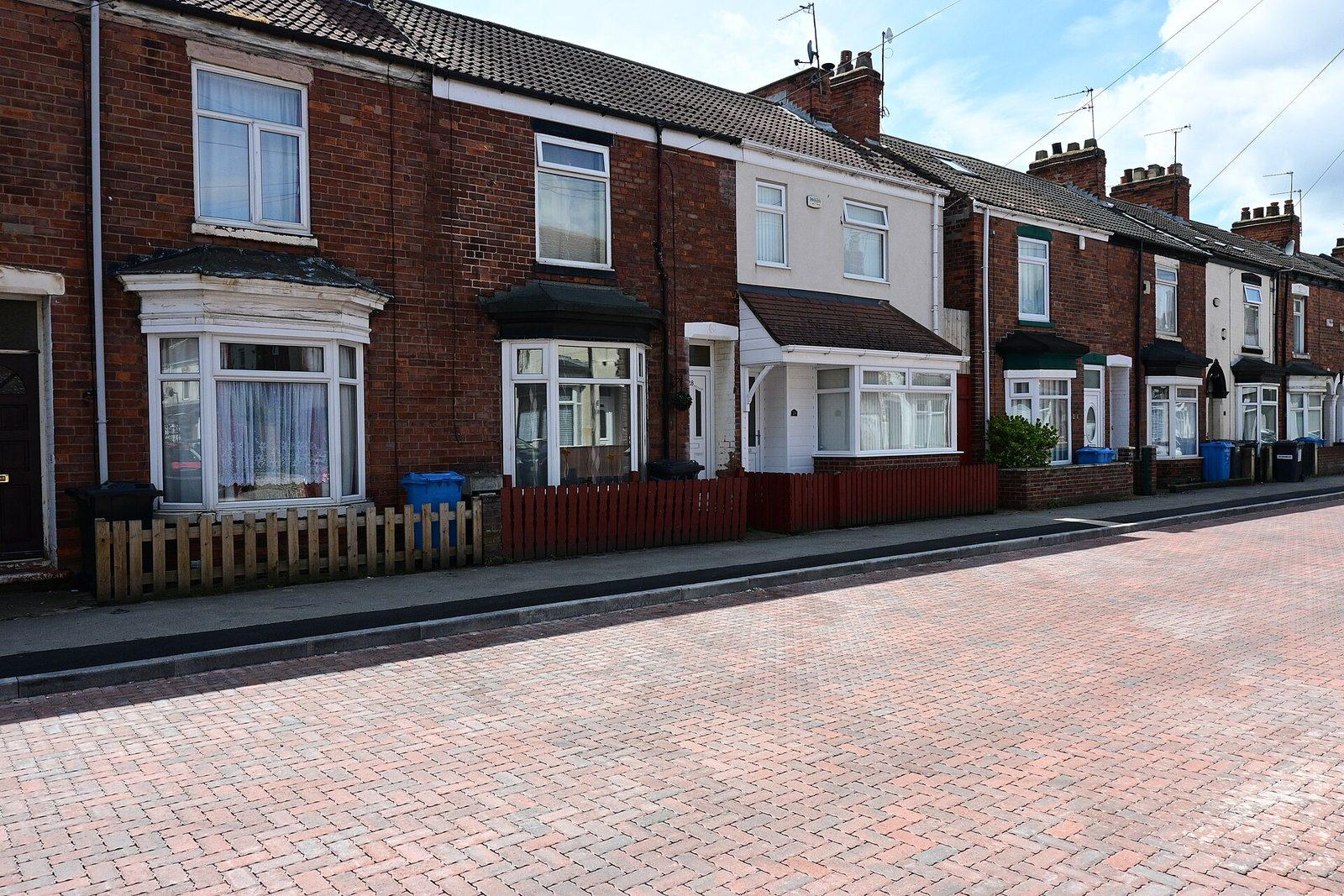
Block paving work we do
Block paving is all we do, from a brand new driveway to bringing an old one back to life.
-
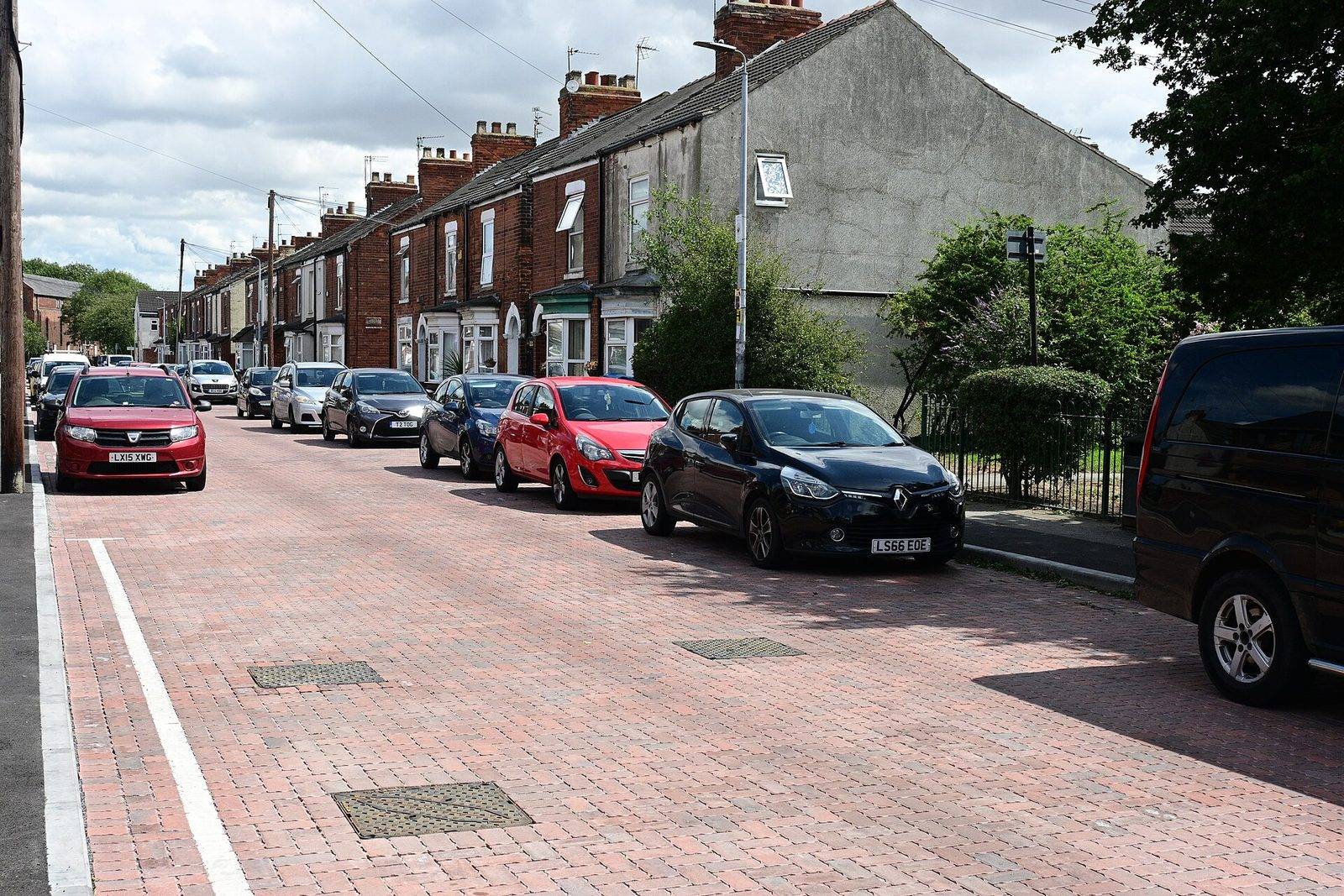
Block paving driveways
New block paved driveways, from the dig-out and sub-base to the last swept joint.
-
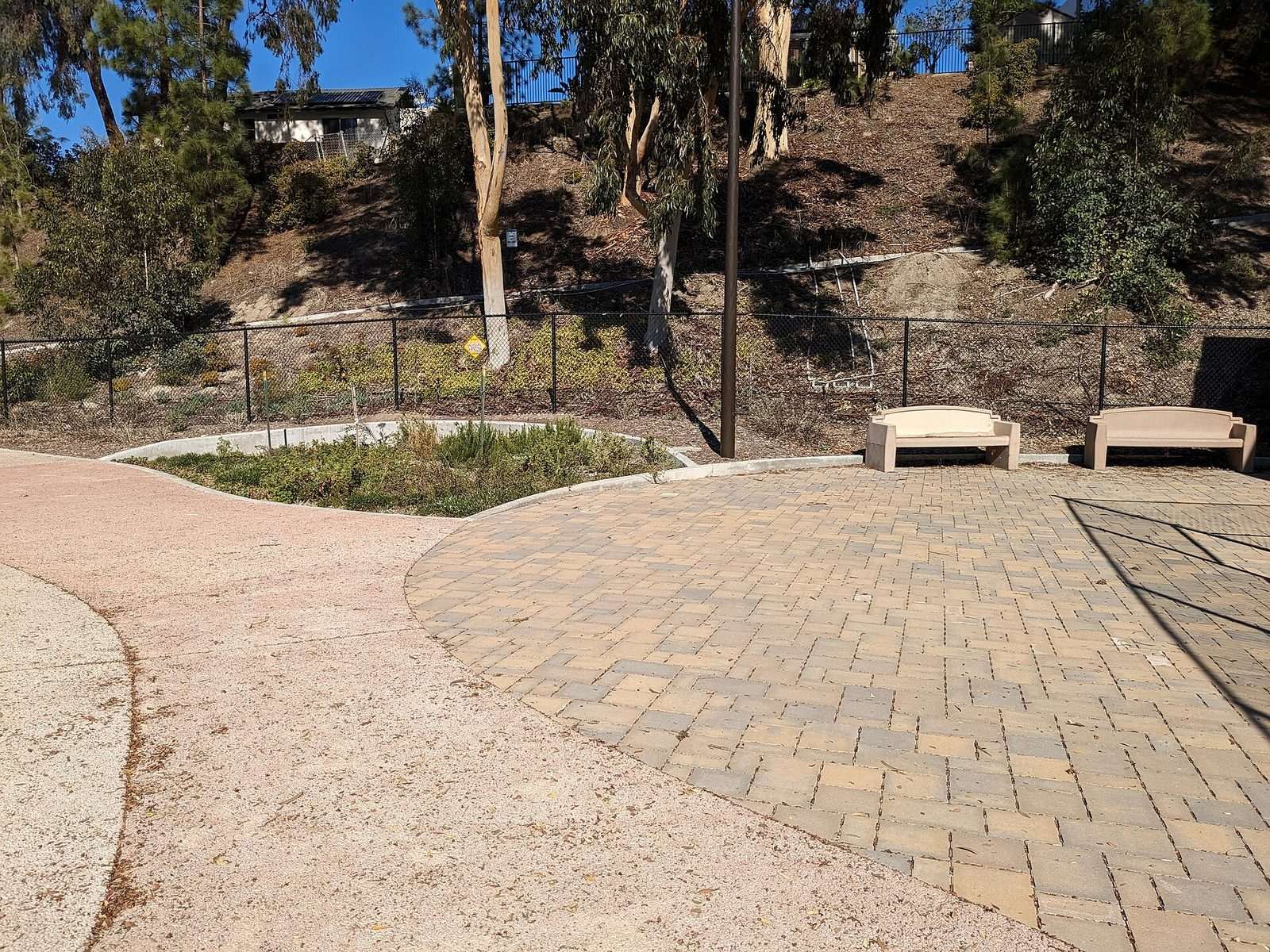
Block paved patios
Block paved patios and seating areas for back gardens, laid to fall away from the house.
-
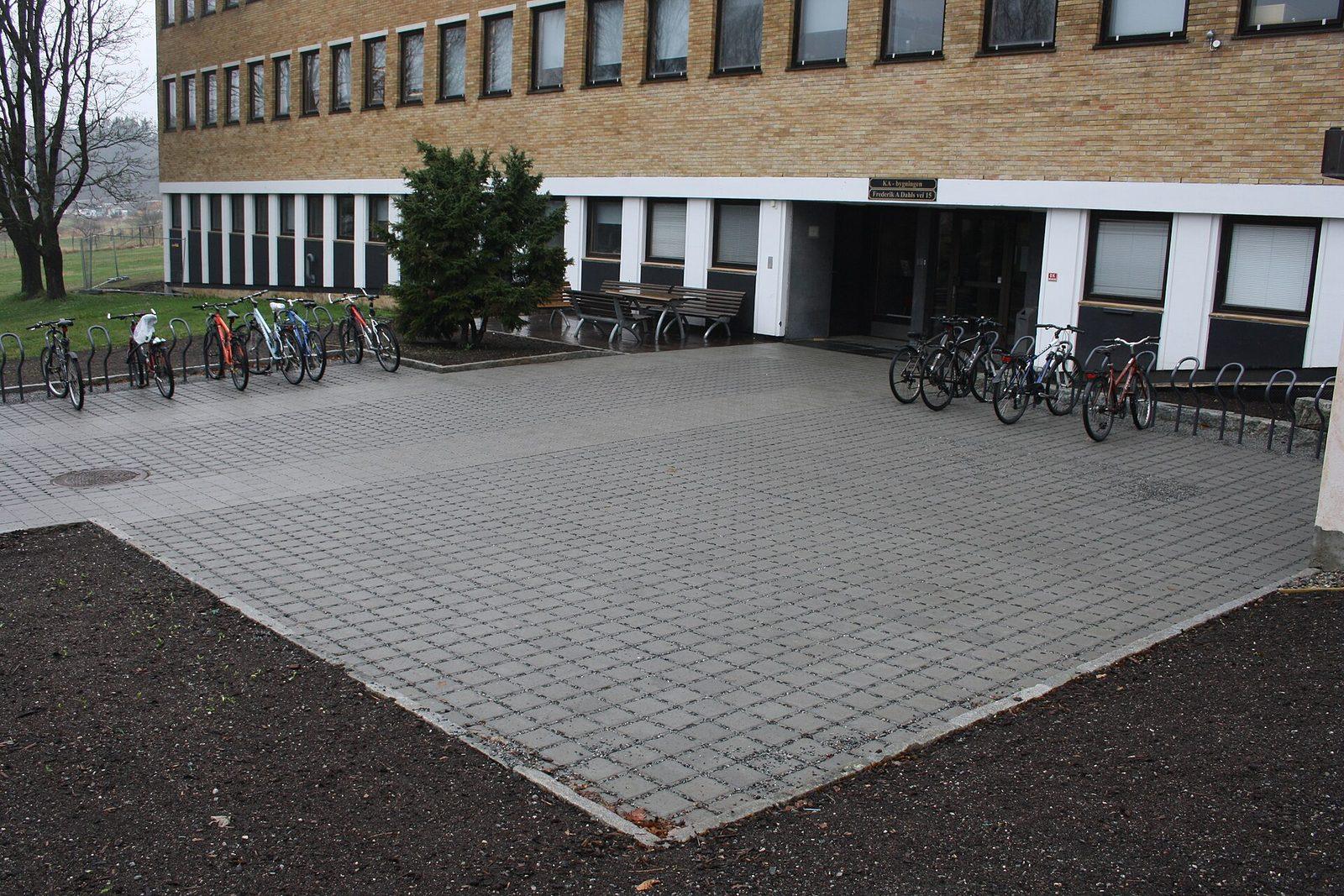
Permeable block paving
Paving that lets rain soak through the joints, for front gardens where drainage matters.
-
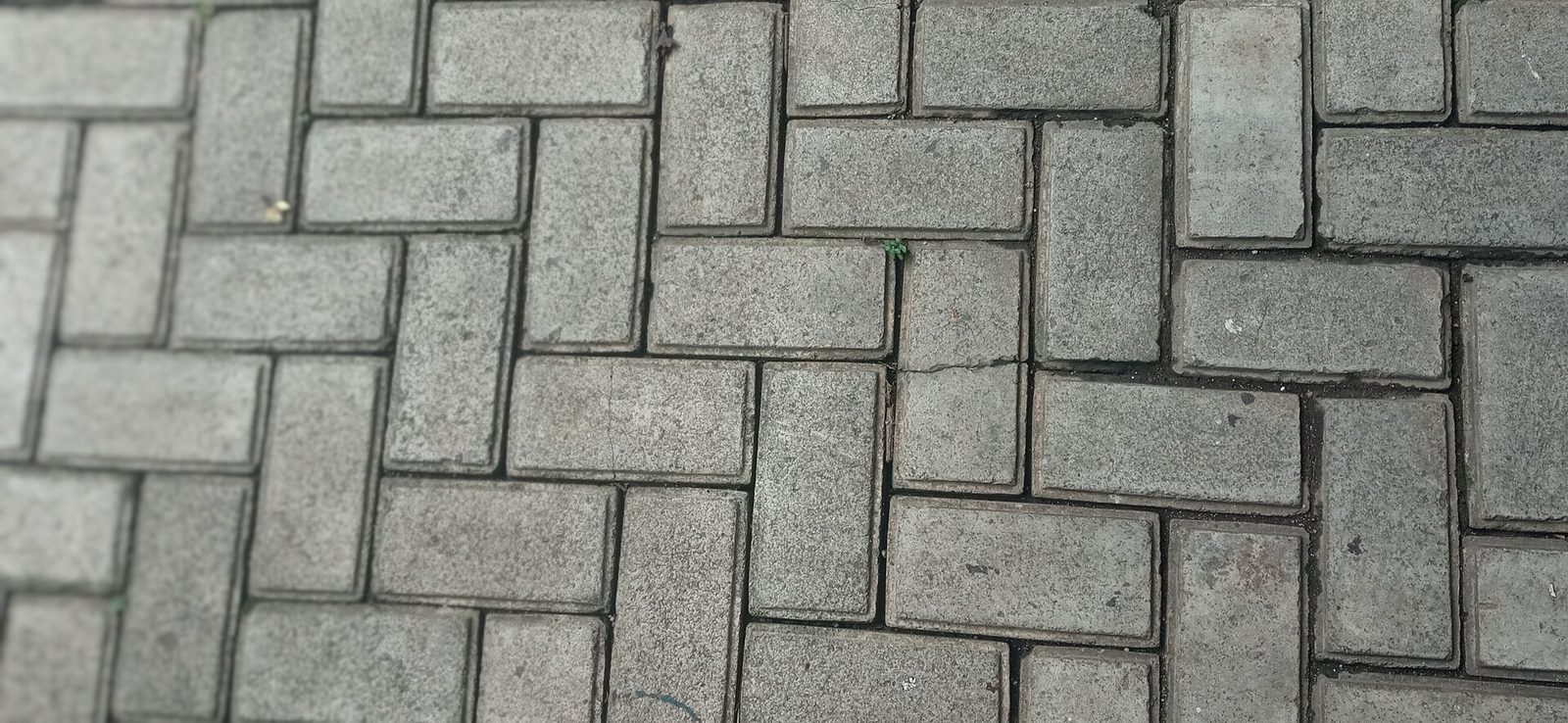
Block paving repairs and relaying
Lifting and relaying sunken, rocking or broken areas of an existing block paved surface.
-
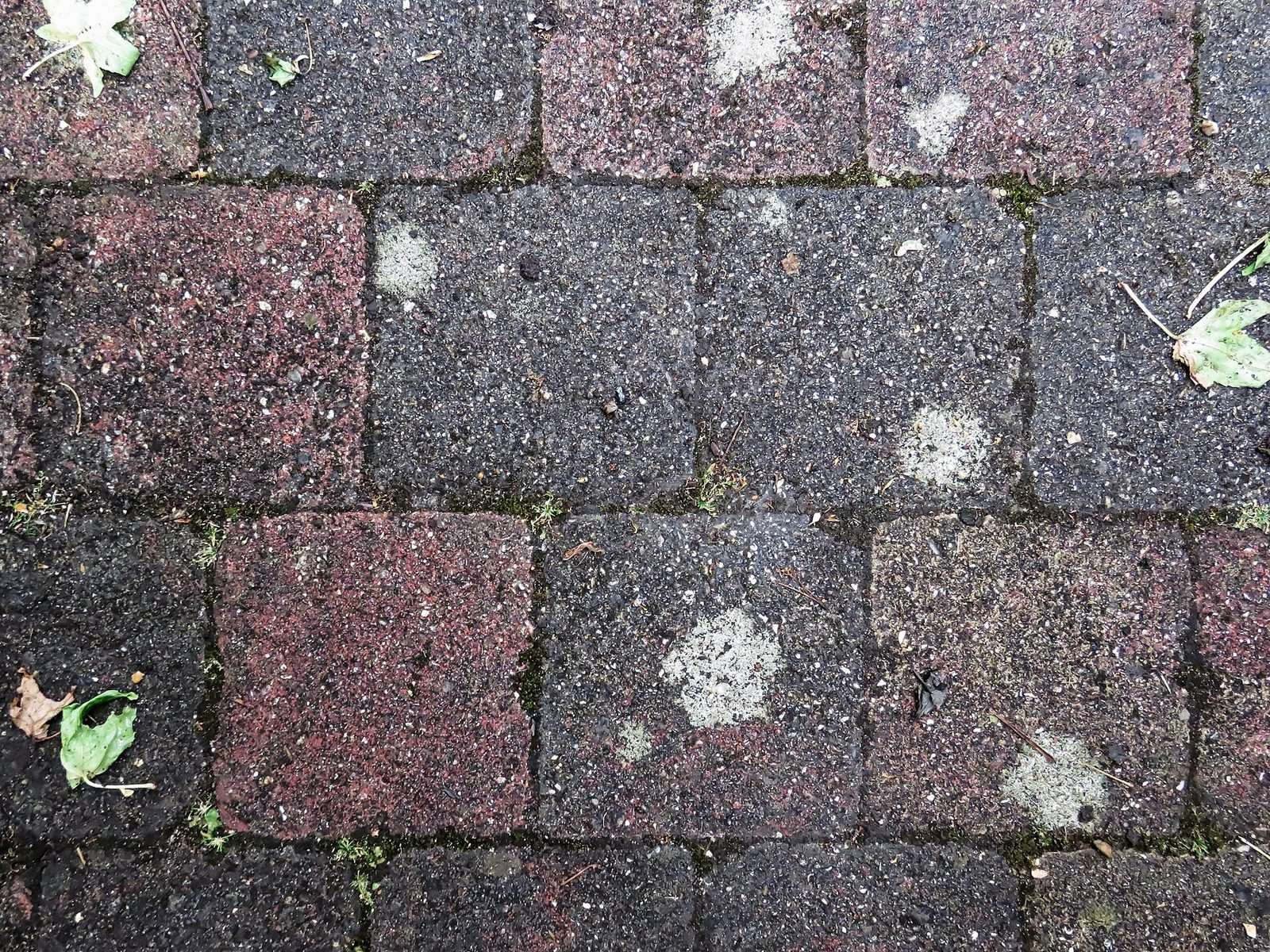
Block paving cleaning and re-sanding
Cleaning tired block paving, clearing weeds and moss, and re-sanding the joints.
-
Not sure which you need?
Tell us about the space and how it is used, and we will talk you through the options.
Choose your laying pattern
Which block paving pattern suits your drive?
The pattern changes how a driveway looks and how well it holds together under turning cars. These are the four laid most often.
-
Herringbone at 45 degrees
Blocks set in a zigzag at 45 degrees to the house. Every block is locked by its neighbours, so turning wheels cannot push rows apart. The usual choice for driveways, with more cutting at the edges.
-
Herringbone at 90 degrees
The same interlocking zigzag, set square to the house. It holds as well as the 45 degree version, reads a little more formal and needs fewer angled cuts along straight edges.
-
Basketweave
Pairs of blocks laid side by side, each pair turned against the next. Decorative and traditional, but it interlocks less under turning cars, so it suits paths and patios better than busy drives.
-
Stretcher bond
Straight rows offset like brickwork. Simple, calm and quick to lay with few cuts. Best laid across the direction cars travel, and a common choice for paths, patios and borders.
Paving that is built from the ground up
Most of what makes block paving last is the part you never see. The blocks sit on a bed of sharp sand, the sand sits on a compacted stone sub-base, and the whole surface is held in place by a firm edge. When a driveway sinks, rocks or spreads, it is nearly always because one of those layers was skimped.
That is why we spend most of our time on a job before the first block goes down: digging out to the right depth, building up and compacting the sub-base, setting the edges and getting the falls right so water runs where it should. Then the paving goes down, is cut in neatly around the edges, vibrated in and finished with kiln-dried sand in the joints.
- Driveways, patios, paths and edging
- Permeable paving for front gardens
- Repairs, relaying and cleaning
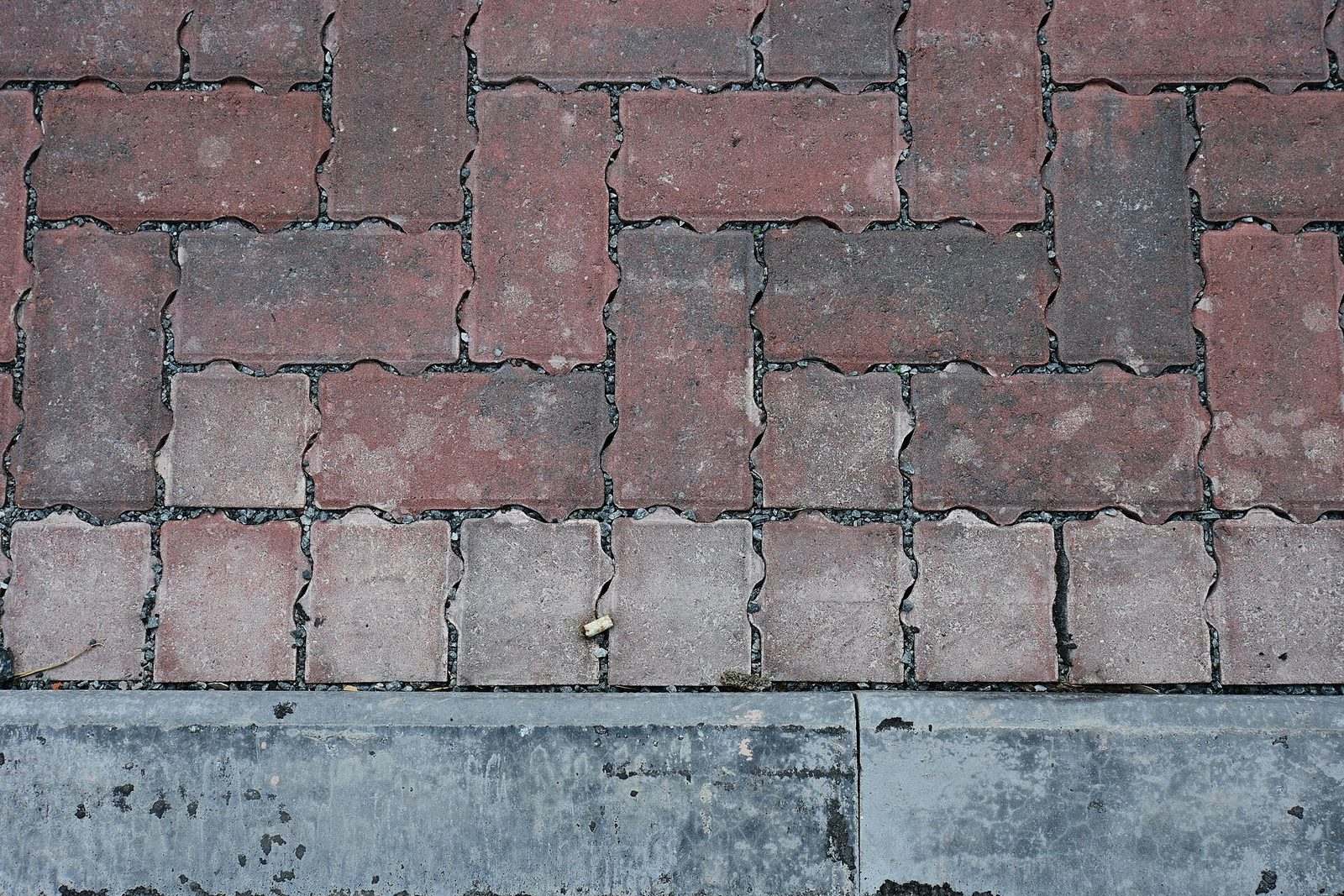
How a block paving job works
From your first message to a swept, finished surface.
-
Step 1: Tell us about the job
Use the enquiry form to tell us what you have in mind, roughly how big the area is and where you are in Norfolk. Photos help if you have them.
-
Step 2: We talk it through
We get back to you to ask the questions that matter: what the area is used for, how it drains, access for a skip or a digger, and the look you are after.
-
Step 3: A visit and a price
We look at the area in person, measure it, check levels and drainage, and then give you a written price for the work we have agreed.
-
Step 4: The work
We dig out, lay and compact the sub-base, set the edging, lay and cut the blocks, then vibrate them in and brush kiln-dried sand into the joints.
-
Step 5: Handover
We clear up, walk the finished surface with you and explain how to look after it.
Questions about block paving
What is block paving?
Block paving is a surface made from small concrete or clay blocks laid tightly together on a bed of sand over a compacted stone sub-base, with sand brushed into the joints so the blocks lock together.
Do I need planning permission for a block paved driveway?
For a house in England, a new or replacement front garden surface over five square metres needs planning permission unless it is permeable or the water runs off onto a lawn or border on your own land. Permeable block paving is designed to meet that rule.
Which pattern is best for a driveway?
Herringbone is the usual choice for driveways because the interlocking pattern resists the turning and braking of cars better than stretcher bond or basketweave.
How do I keep block paving looking good?
Sweep it regularly, deal with weeds early and top up the jointing sand when it washes out. A periodic clean and re-sand brings tired paving back.
Which areas do you cover?
We are based in Norwich and work across Norfolk. Tell us where you are when you get in touch.
Not sure about planning? Try the planning permission checker →
Get a quote for your block paving
Tell us what you would like done and where you are. We'll reply to talk it through and give you a price.