
Block Paving Norwich
Block paving repairs and relaying
Block Paving Norwich repairs and relays block paving in Norwich and across Norfolk, lifting sunken, rocking or broken areas, putting right what caused them and relaying the blocks so the surface is level again.
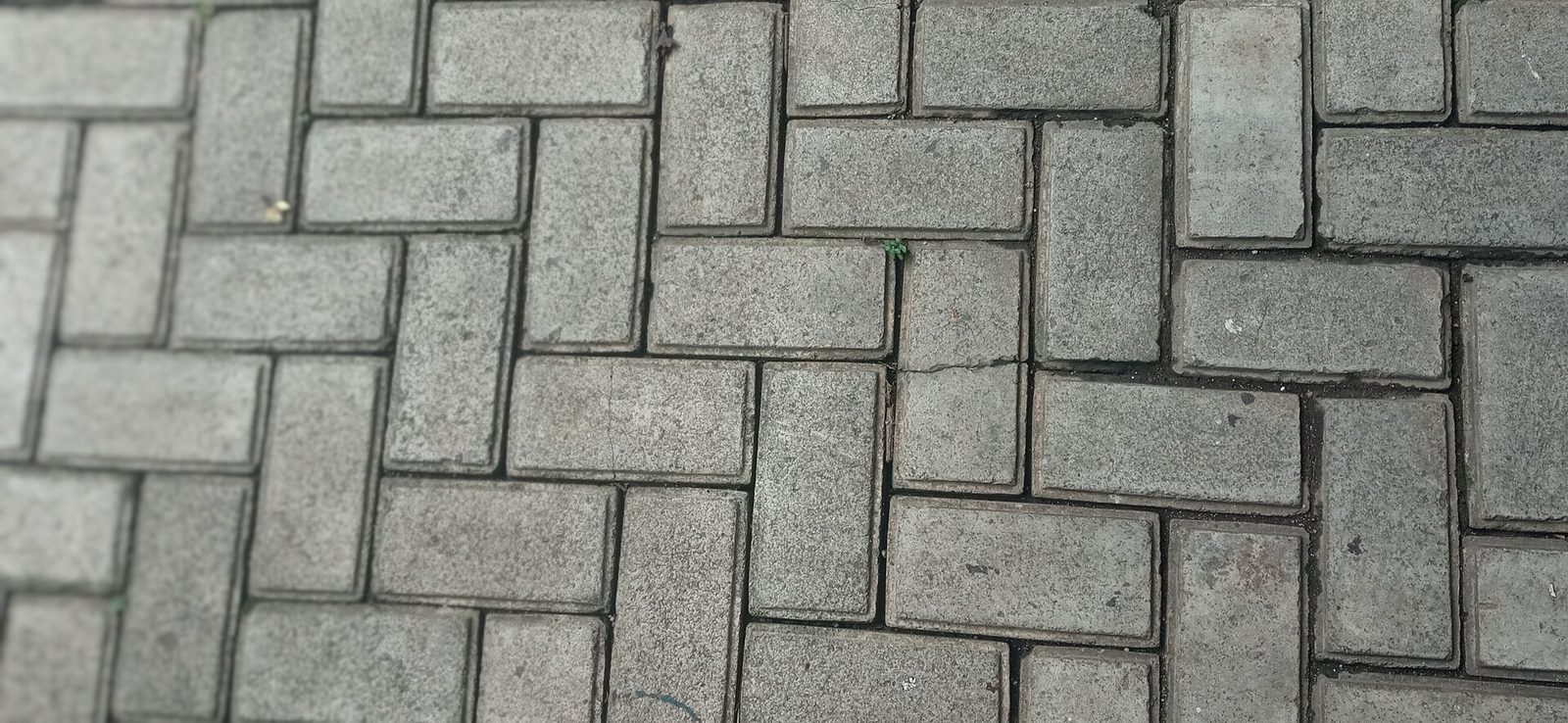
About block paving repairs and relaying
Block paving is one of the few surfaces that can be repaired almost invisibly, because the blocks can be lifted, the base put right and the same blocks laid back down. Most problems show up as a dip where water collects, blocks that rock underfoot, a spreading edge or a run of cracked blocks, and nearly all of them come from the layers underneath rather than the blocks themselves.
A dip in a driveway often comes from a sub-base that was too thin or not compacted, a trench dug for a pipe or cable that was backfilled badly, or water washing the sand bed away. Rocking blocks usually mean the jointing sand has gone or the edge has moved. Lifting the area lets us see which it is and fix the cause, so the repair lasts.
Where blocks are cracked or stained beyond cleaning, they can be replaced. Matching an older driveway is not always exact, because blocks fade with sun and weather, so it sometimes makes sense to use blocks from a less visible spot, such as under a bin store, for the repair.
What is included
What a block paving repair or relay normally covers.
- Assessing the causeLooking at the area and working out whether the problem is the base, the edge, the sand or drainage.
- Lifting the blocksCarefully taking up the affected blocks and setting them aside for re-use.
- Re-making the baseDigging out failed material, adding and compacting sub-base where needed and re-screeding the sand bed.
- Resetting edgesRe-bedding loose or moved edging so the paving is held in again.
- Replacing broken blocksSwapping cracked or damaged blocks for the closest match available.
- Relaying and levellingLaying the blocks back in pattern and level with the surrounding paving.
- Re-sandingVibrating the area in and brushing kiln-dried sand into the joints.
What to plan before you book
A few things worth thinking about before the work is priced.
Photos help
Photos of the problem, ideally after rain so the dips show, let us see what is going on before we visit.
Any spare blocks?
If you have spare blocks from the original job, keep them. They are the best possible match.
What is under it
Tell us if pipes, cables or a drain run under the area. Many dips follow an old service trench.
Repair or relay?
Small dips can be repaired. If the whole driveway is moving, relaying it on a new base can be the better value.
Drains and gullies
Check any gully or channel drain nearby is clear. A blocked drain can cause water to undermine the paving.
Good to know
Matching older blocks
Blocks fade over time, so new blocks rarely match exactly. Re-using the original blocks gives the best result.
Rocking blocks
A block that rocks is often fixed by refilling the joints and vibrating the area, if the base is sound.
Oil stains
Oil stains are hard to remove fully. Lifting and flipping or replacing the stained blocks is sometimes the neatest answer.
Tree roots
Roots can lift paving. Cutting roots can harm a tree, so it is worth getting advice about large or protected trees.
Repairs can show at first
A repaired area can look cleaner than the rest until it weathers in. A full clean helps it blend.
How it works
-
Step 1: Enquiry
You tell us about the problem through the enquiry form, with photos if you can.
-
Step 2: Visit
We look at the area and work out what has caused it.
-
Step 3: Price
You get a written price for the repair or relay we agree.
-
Step 4: Repair
We lift the blocks, put right the base or edge and relay them.
-
Step 5: Finish and handover
We re-sand the joints, clear up and show you the finished repair.
Questions customers ask
Can sunken block paving be fixed?
Usually, yes. The blocks are lifted, the base is built back up and compacted, and the same blocks are relaid level with the rest.
Why has my driveway sunk?
The most common causes are a thin or poorly compacted sub-base, a badly backfilled service trench or water washing out the sand bed.
Can you match my existing blocks?
We re-use your own blocks wherever possible. Where some need replacing, we look for the closest match, though older blocks may have faded.
Is it worth repairing or should I replace the whole driveway?
If the problem is local, a repair is the sensible answer. If the whole surface is sinking or spreading, relaying it on a new base often works out better.
Why are weeds growing through my paving?
Weeds usually grow from seeds that settle in joints where the sand has washed out. Refilling the joints helps keep them down.
Will the repair be noticeable?
Relaid blocks can look cleaner than the surrounding paving at first. Cleaning the whole area helps the repair blend in.
Other block paving work we do
-
Block paving driveways
New block paved driveways, from the dig-out and sub-base to the last swept joint.
-
Block paved patios
Block paved patios and seating areas for back gardens, laid to fall away from the house.
-
Permeable block paving
Paving that lets rain soak through the joints, for front gardens where drainage matters.
-
Block paving cleaning and re-sanding
Cleaning tired block paving, clearing weeds and moss, and re-sanding the joints.
Get a quote
Tell us about the area and where you are in Norfolk, and we'll come back to you to talk it through.