
Block Paving Norwich
Block paved patios
Block Paving Norwich lays block paved patios, paths and seating areas for gardens in Norwich and across Norfolk, laid level, on a firm base and falling gently away from the house.
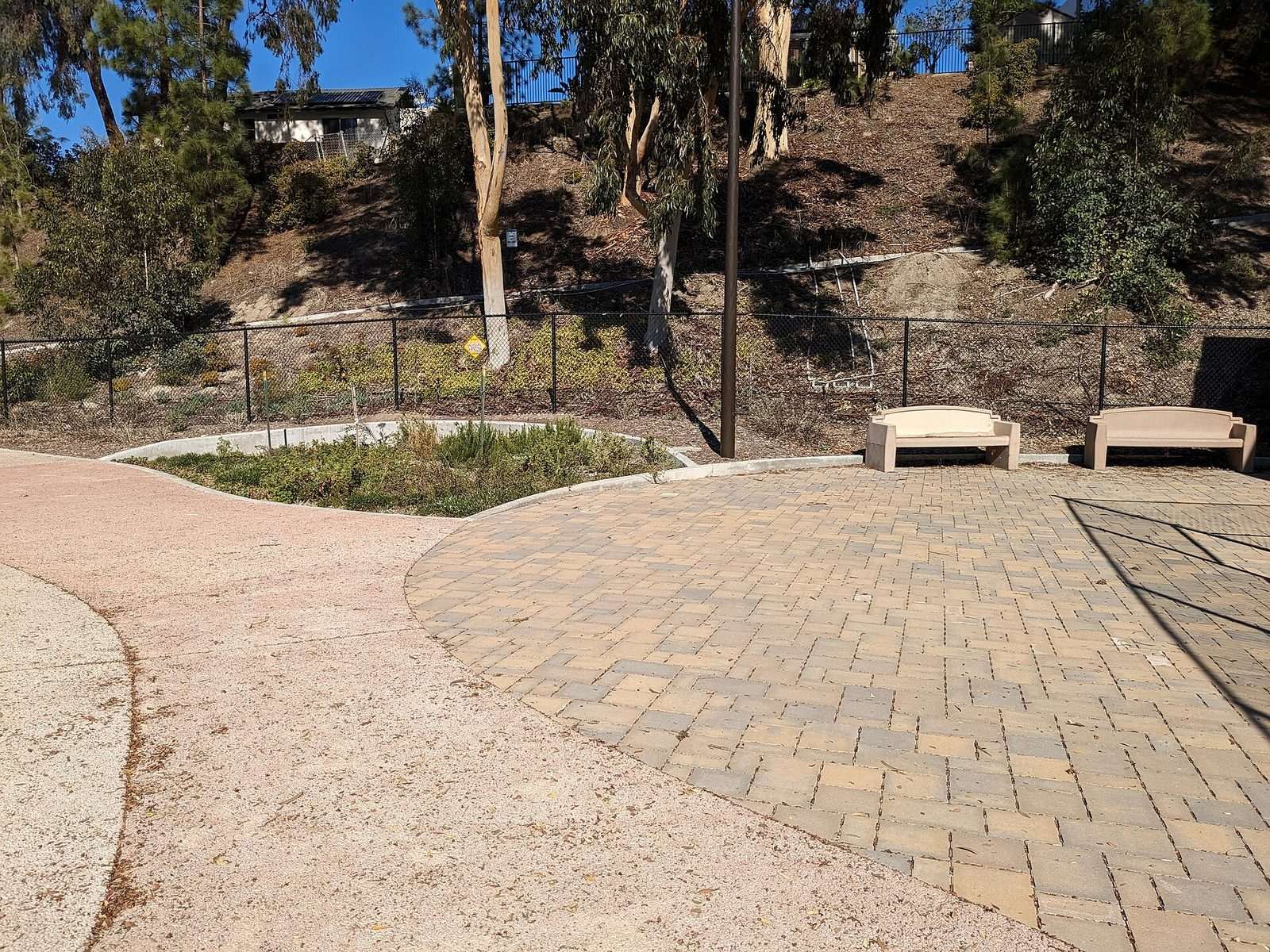
About block paved patios
A block paved patio uses the same small, interlocking blocks as a driveway, laid on a sand bed over a compacted base, but in a garden setting where the look matters as much as the strength. Because the blocks are small, they handle curves, circles, steps and odd corners well, and there is a wide range of colours and textures to sit with the house, the lawn and the planting.
It suits a seating area outside the back door, a path to the shed or the garden gate, a hard standing for a bin store or a larger entertaining area. A patio does not carry the weight of cars, so the base does not need to be as deep as a driveway's, but it still needs a firm, compacted sub-base and a solid edge if it is to stay level and keep its shape.
The detail that matters most on a patio is water. The surface has to fall slightly away from the house so rain runs off to the lawn, a border or a drain rather than pooling or soaking towards the walls. We set the falls before the blocks go down and keep the finished surface well below the damp proof course.
What is included
What a new block paved patio, path or seating area includes.
- Setting outMarking out the shape and size agreed with you, including any curves, steps or circles.
- Digging outLifting turf or old paving and digging out to the depth the base needs, with the spoil taken away.
- Sub-baseA compacted layer of crushed stone to give the patio a firm, even base.
- EdgingEdging blocks or kerbs set in concrete so the paving keeps its shape against lawn and borders.
- Laying and cuttingThe blocks laid in the pattern you choose and cut in around edges, walls, steps and drains.
- Falls and drainageThe surface set to fall away from the house to a lawn, border or drain.
- FinishingThe blocks vibrated in, kiln-dried sand brushed into the joints and the garden cleared up.
What to plan before you book
A few things worth thinking about before the work is priced.
How you will use it
Think about the furniture you want on it, where the sun is at the times you sit out and how many people it needs to hold. That sets the size and shape.
Access
Materials and spoil have to get in and out. Tell us if the only way into the back garden is through the house or a narrow side passage.
Levels
Measure the step down from the back door and check where the damp proof course is. The patio should sit well below it.
Where the water goes
Think about where rain runs now and where it could go: the lawn, a border, a soakaway or an existing drain.
Matching the house
Look at the colour of the brickwork and any existing paving. Blocks that pick up the colour of the house usually sit best.
Good to know
Patterns
Stretcher bond, basketweave and herringbone all suit patios. Mixed sizes laid at random give a more natural, cottage look.
Curves and circles
Small blocks make curves easier than large slabs, and circle kits can be laid as a centrepiece.
Steps
Steps can be built in matching blocks or with a contrasting edge so they are easy to see.
Moss in the shade
Patios in shade or under trees grow moss and algae more quickly. Regular sweeping and an occasional clean keep them safe to walk on.
Sealing is optional
A sealer can make the paving easier to keep clean and enrich the colour, but it is not essential and needs re-applying over time.
How it works
-
Step 1: Enquiry
You tell us about the garden and what you would like through the enquiry form.
-
Step 2: Visit
We look at the space, check access, levels and drainage, and talk through the blocks and pattern.
-
Step 3: Price
You get a written price for the agreed work.
-
Step 4: Build
We dig out, lay the base and edging, then lay and cut the blocks.
-
Step 5: Finish and handover
We sand the joints, clear up and walk the finished patio with you.
Questions customers ask
Is block paving good for a patio?
Yes. It is hard wearing, copes well with curves and small spaces, and can be lifted and relaid if you ever need to get underneath it.
Block paving or paving slabs for a patio?
Slabs give larger, cleaner areas of stone or porcelain; block paving gives a more textured look and handles curves and odd shapes better. It comes down to the look you want.
Does a patio need planning permission?
A patio in a back garden does not normally need planning permission. The five square metre rule on permeable surfaces applies to front gardens.
How far below the door should the patio be?
The surface should sit well below the damp proof course, usually by at least two brick courses, with a small step down from the door.
Can you build steps or a raised area?
Yes, steps and changes of level can be built as part of the patio. We will talk through the options when we visit.
How do I stop weeds growing in the joints?
Keep the joints full of sand and sweep the patio regularly so seeds cannot settle. Weeds that do appear are best pulled out early.
Other block paving work we do
-
Block paving driveways
New block paved driveways, from the dig-out and sub-base to the last swept joint.
-
Permeable block paving
Paving that lets rain soak through the joints, for front gardens where drainage matters.
-
Block paving repairs and relaying
Lifting and relaying sunken, rocking or broken areas of an existing block paved surface.
-
Block paving cleaning and re-sanding
Cleaning tired block paving, clearing weeds and moss, and re-sanding the joints.
Get a quote
Tell us about the area and where you are in Norfolk, and we'll come back to you to talk it through.